When I took the two-week Environmental Science: The Living City program at Loyola Marymount University, I was exposed to in-depth, diverse branches of environmental science that changed my understanding of the field. Before the program, my understanding of environmental studies consisted of how organisms changed over time due to natural selection and genetic drift events, immense amounts of pollution affecting the biosphere, and how environmental scientists were searching for more sustainable approaches to everyday life. One question that I kept returning to was how human impacts over centuries have completely and continually changed the framework of Earth’s biomes and natural cycles. I knew that pollution-caused environmental changes could create negative selective pressures on many populations, but was unaware of how invasive species also played a role in this. Habitats are changing at an alarming rate, so many species are forced to adapt, move, or face extinction — which is why some argue that we’re currently living in Earth’s sixth mass extinction. I wanted to understand just how human impact has changed the Earth’s evolution, and how much more diverse and productive natural environments could be without constant external pressures.
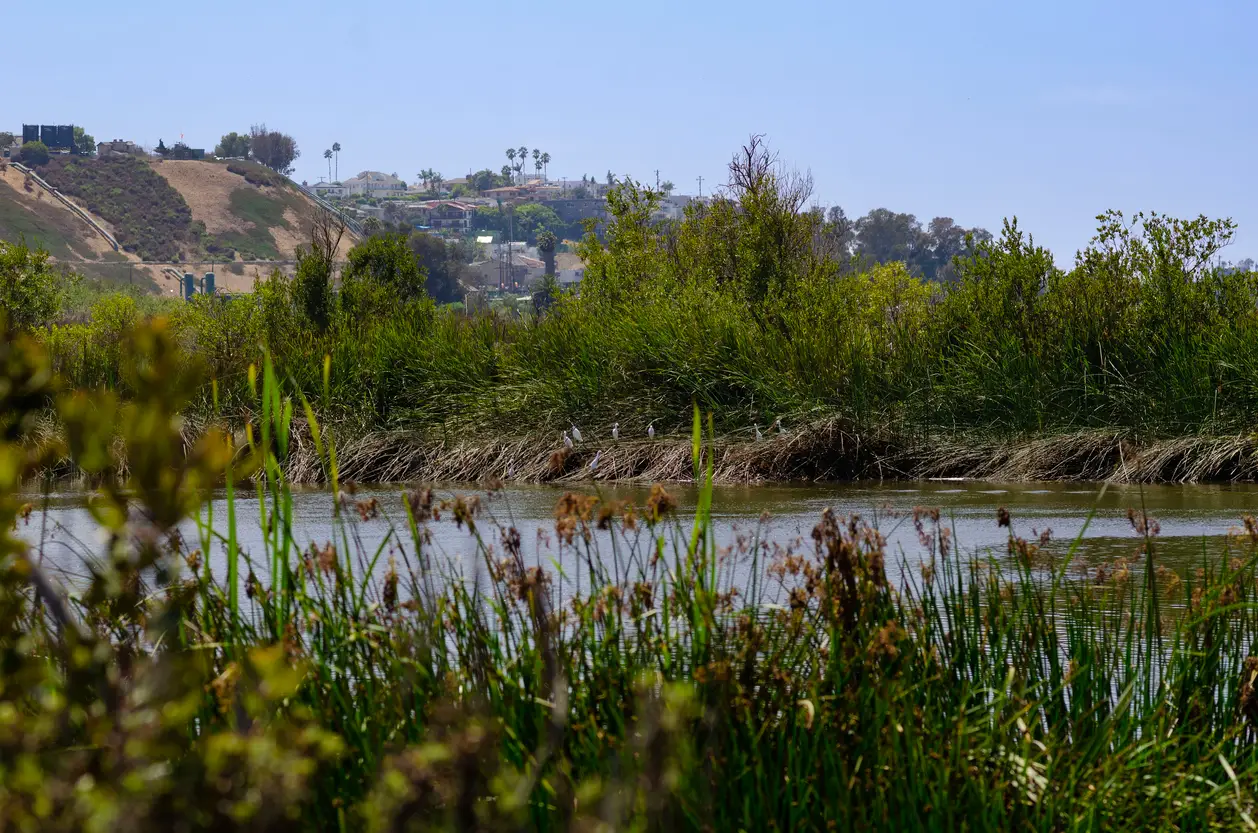
During the first week of the program, we hiked through the Ballona Wetlands a few miles away from the LMU campus and I noticed just how close the environment was to the road and city. During this hike, the professor explained the history of the wetland and the incredible contributions that wetland environments have to biodiversity. We learned that the reserve was once threatened by an urban development plan to tear away the wetlands, which was ultimately stopped by an environmental activist group, the Friends of Ballona Wetlands, that eventually helped it become state-protected land. Lisa Fimiani, an environmental leader with LMU’s Center for Urban Resilience and longtime member of Friends of Ballona Wetlands, came to speak about how she, along with many others, had hand-picked what seemed to be thousands of ice plants from the wetlands. She explained how this was crucial to help restore the wetlands as ice plants are an invasive species that not only put a lot of stress on the soil due to their weight, but also didn’t allow much for biodiversity. They became one of the leading threats to Ballona Wetlands.
A moment that stuck with me was when she had said something along the lines of this: “I didn’t believe we were ever going to get all the ice plants out, there was too much. But when we finally did, it was so incredibly amazing to see all the native plants start to grow back, they were just waiting under the soil for a place to grow!” This piqued my interest as I had never really considered how threatening invasive species were, and how they completely changed biodiversity in the Ballona Wetlands. It brought me back to my question with a wider view and understanding.
To explain further what I learned about wetlands and invasive species during the program, one of the key topics was not just the importance of wetland environments, but the huge variety of interconnected relationships and food webs that exist within them. Many overlapping ecological roles help build ecosystem resilience against sudden changes, so the loss of one organism does not collapse the whole system. This is why biodiversity is such an important factor for healthy environments, and why wetlands that hold extreme amounts of biodiversity are so important. Additionally, the reason wetlands are able to support large amounts of biodiversity is due to habitat heterogeneity, a large diverse variety of habitat types within a small area. Because wetlands have multiple water depths and sediment gradients, different organisms are adapted to these habitats at different scales. Essentially, this means that similar organisms who compete for the same resources are able to spread out, often living amongst one another with reduced competition.
When a non-native species is introduced to a wetland’s highly structured ecological system, particularly invasive producers with faster growth rates or greater height, the ecosystem can be pushed off balance as these invasive species monopolize most available resources. Invasive species often have higher survival or reproduction rates in new environments that allow them to outcompete native organisms. They use up most of the essential resources available in an environment (nutrients, water, habitat space, and more) and leave little for native species. As the habitat gradients are flattened and food webs are disturbed, the wetland and its biodiversity become critically threatened. The threat invasive species create applies to all of Earth’s ecosystem types.
Ecosystems can be threatened in many ways that aren’t always so obvious, and something as simple as moving species between continents can have major impacts on the ecological makeup and biodiversity of healthy ecosystems. The Ballona Wetlands hike makes me wonder how many other ecosystems are holding onto their native life, just waiting for the chance to grow back.