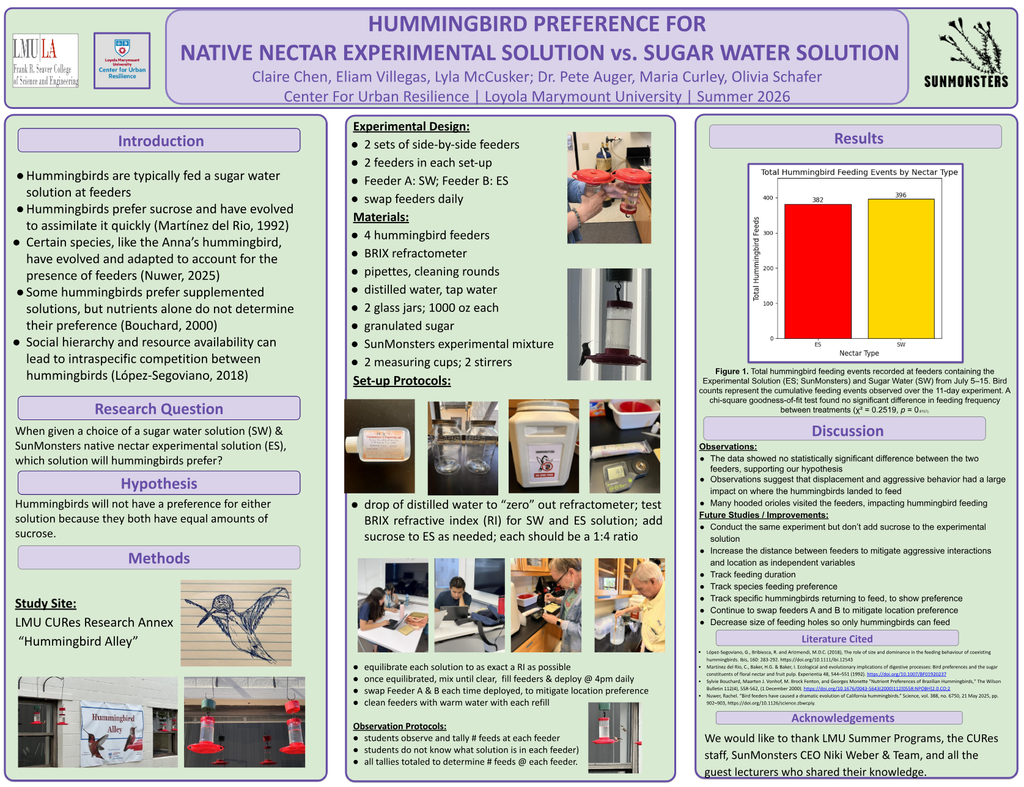
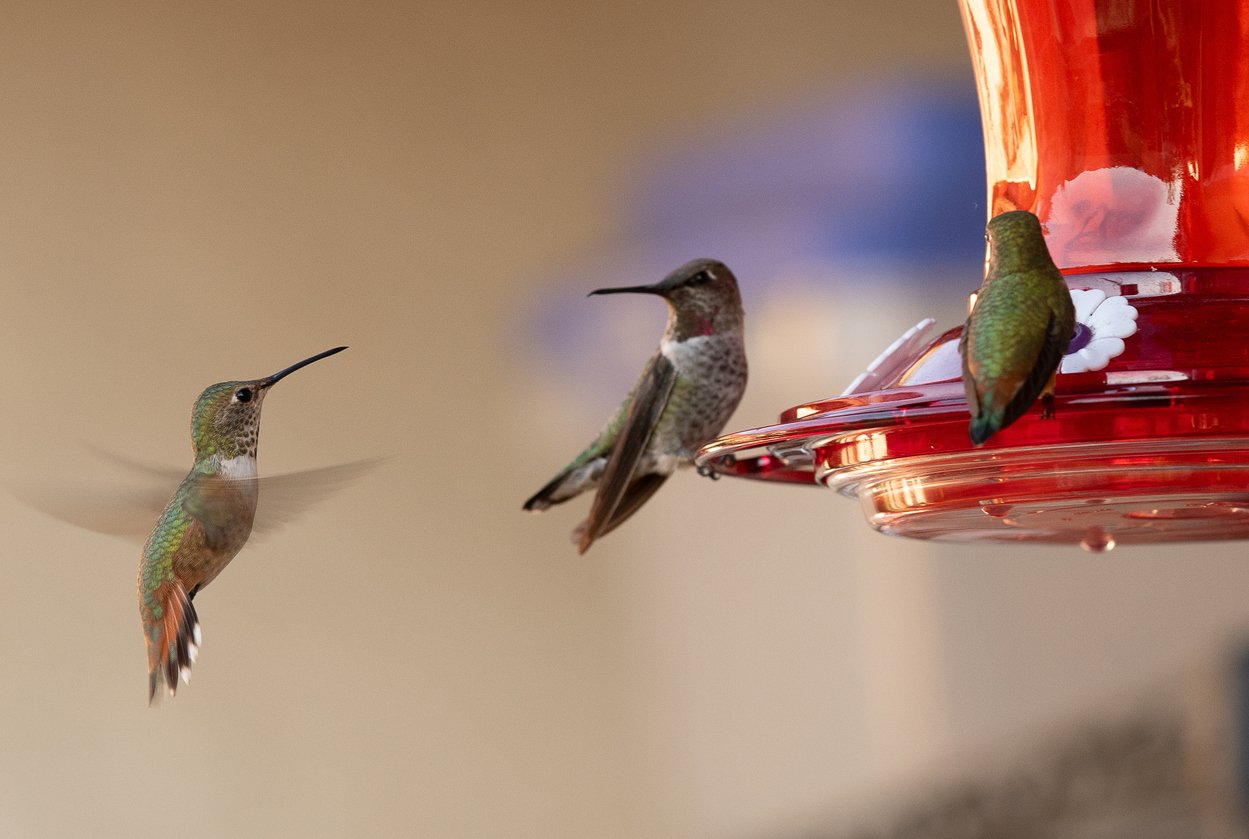
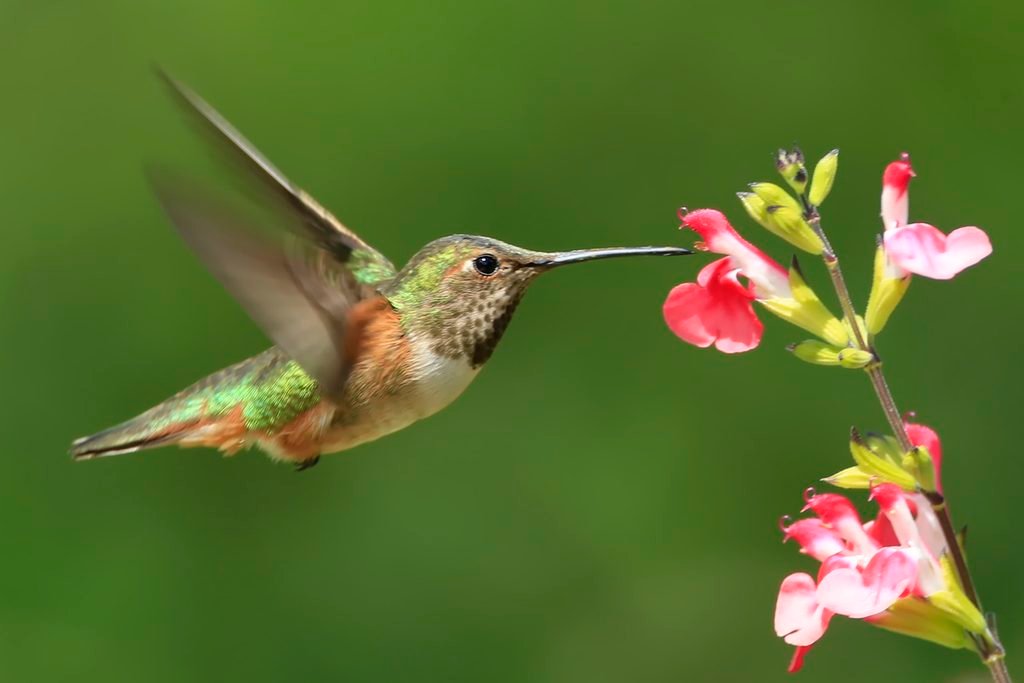
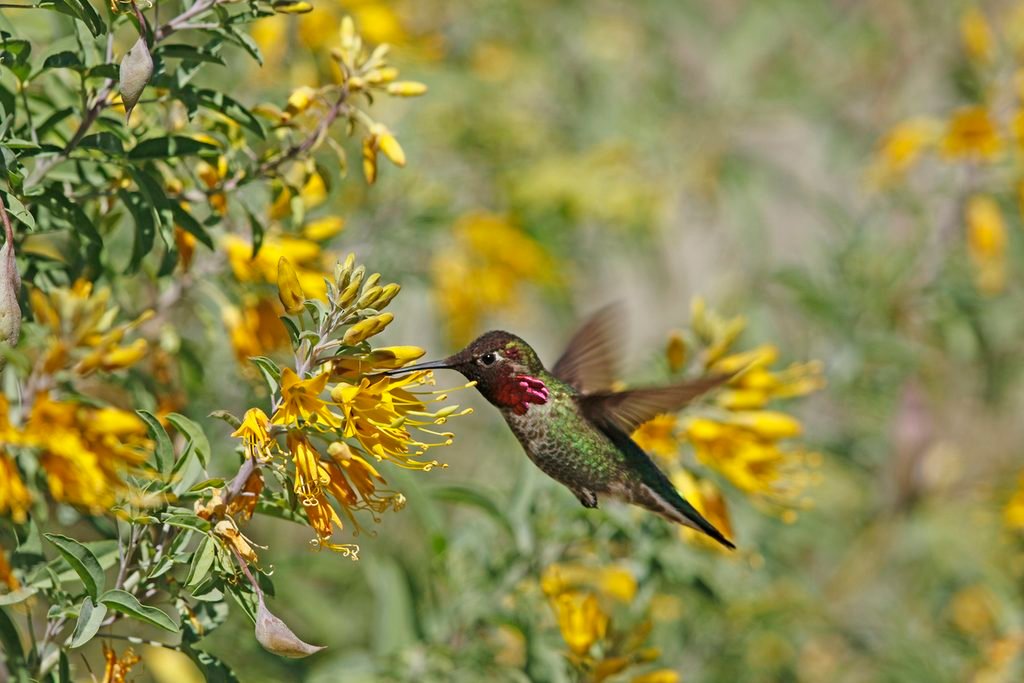
This summer, I took an environmental science course at Loyola Marymount University, where our group of students conducted a hummingbird nectar research project under the guidance of Dr. Auger and Maria Curley. Over eleven days, we observed what seemed like hundreds of hummingbirds feed from the feeders, and the experiment relied on the 778 recorded feeding visits. Most backyard feeders are filled with just two ingredients: water and plain table sugar (sucrose). Natural nectar from wildflowers contains different kinds of nutrients along with sucrose that can benefit the birds that feed on it. Hummingbirds use sucrose as a quick and efficient source of energy that they’re able to digest strikingly quickly (Martinez del Rio 1992). Some species, like the Anna’s hummingbird, have adapted to backyard feeders as an easy sucrose source (Nuwer 2025). The question is, because hummingbirds aren’t drinking the nutrient-dense, natural nectar that benefits their health, are they affected by missing out? This is why entrepreneur Niki Weber and her team at SunMonsters developed a nectar solution that includes many of the nutrients typically found in wildflower nectar.
Our goal was to determine whether the Allen’s and Anna’s hummingbirds on the LMU campus preferred regular sugar water or SunMonsters’ experimental solution. This would show whether hummingbirds naturally seek out nutrients and shed light on their nutrient intake. It would also be a promising sign for SunMonsters’ product. We started with a research question: When given a choice between a sugar water solution (SW) and SunMonsters’ native nectar experimental solution (ES), which solution will hummingbirds prefer? From there, we developed a hypothesis: Hummingbirds will not have a preference for either solution because they both contain equal amounts of sucrose. Our method consisted of two stations, each station with two side-by-side hummingbird feeders: one feeder filled with SW and the other with ES. The feeder positions were swapped and the feeders were cleaned daily to eliminate factors other than the taste of the solution that could affect the hummingbirds’ preference, such as mold or feeder position. In addition, the observers, including me, were not told which feeder contained which solution, eliminating any potential bias when collecting data. Observers would visit the hummingbird stations at different times of day and tally the number of birds that fed from each feeder.
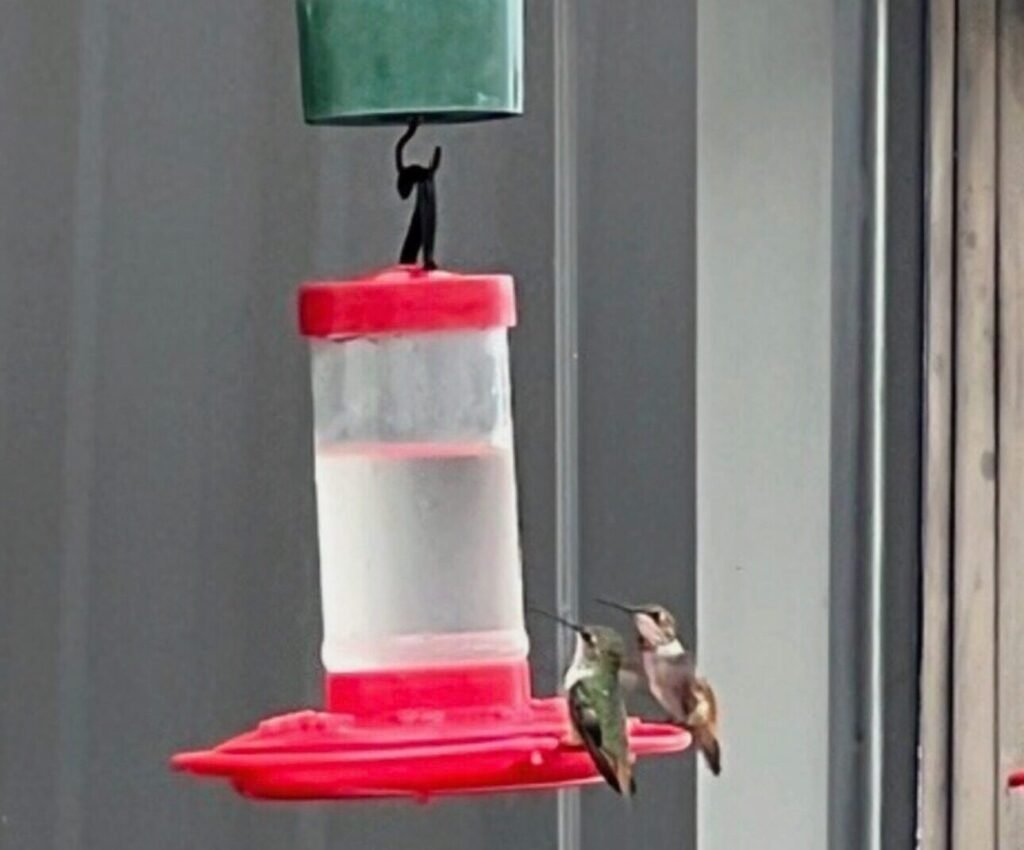
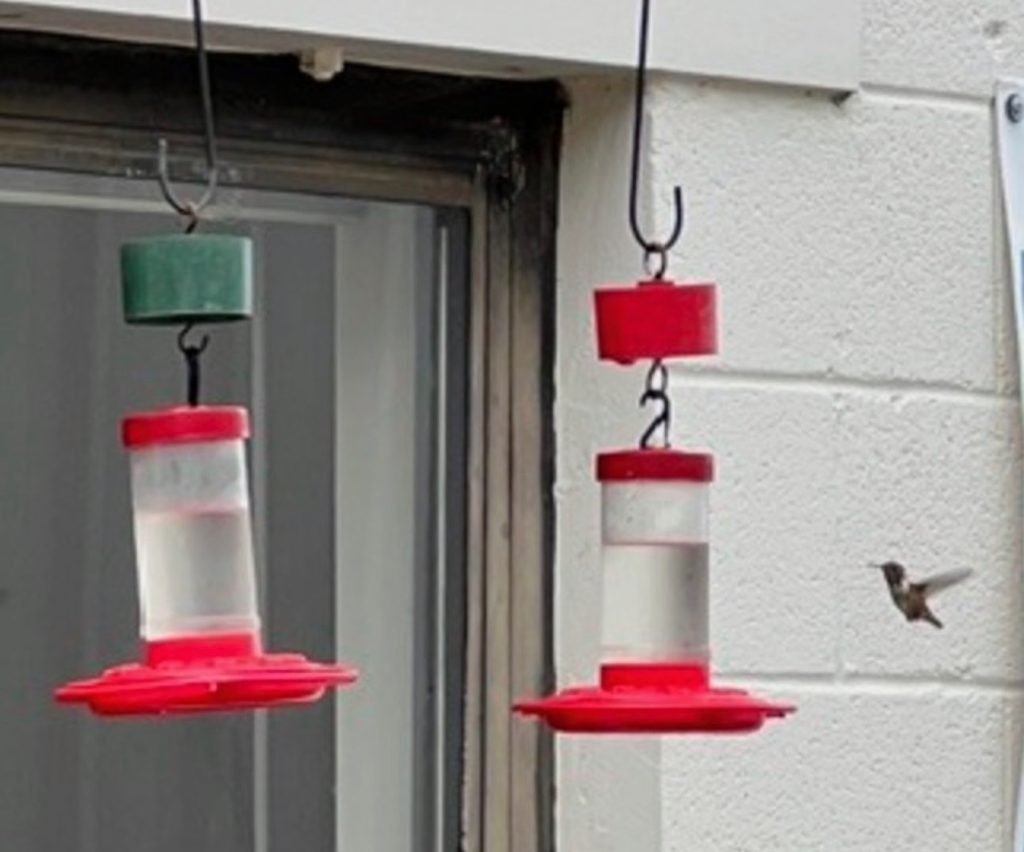
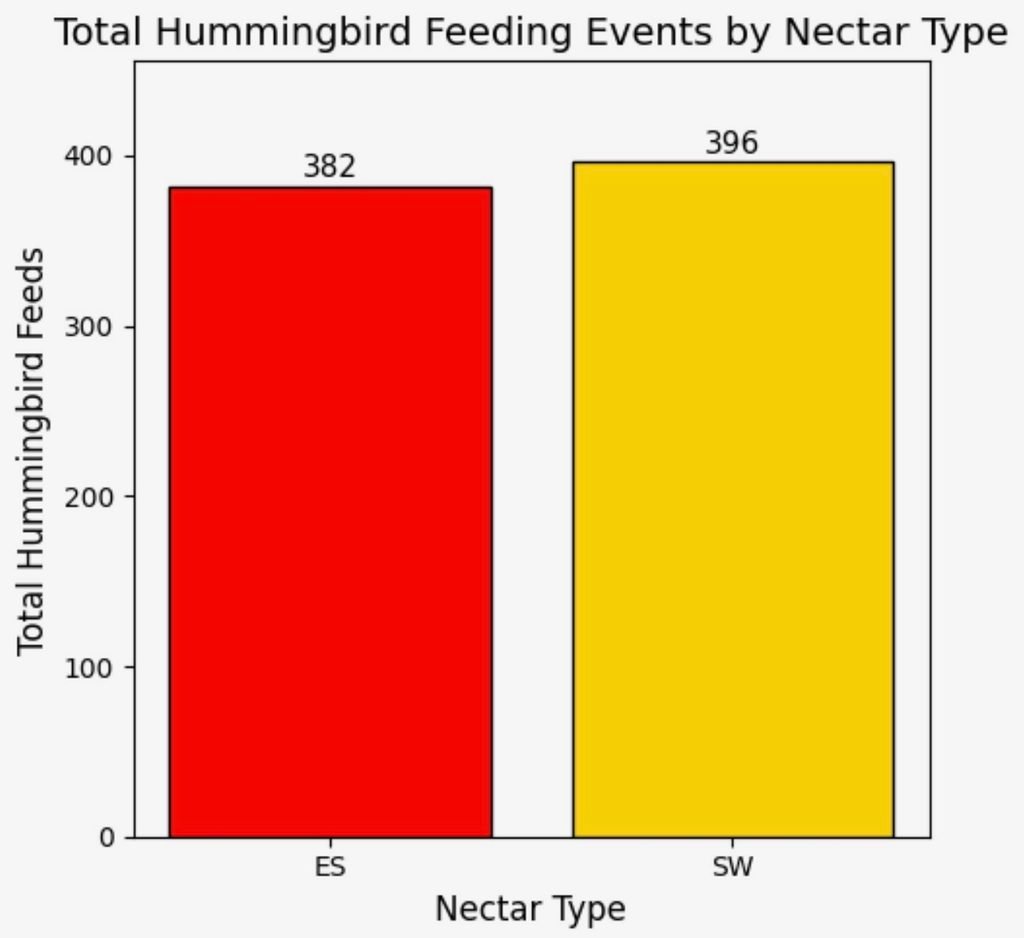
After the eleven-day research period, the numbers observed were tallied, and the data showed no statistically significant difference between the two feeders. The data was analyzed using a chi-square test (χ2 = 0.25, p ≈ 0.62) and the results were consistent with our hypothesis, with ES receiving 382 visits and SW receiving 396. This was expected: since sucrose was added to ES to match SW, and hummingbirds prioritize sucrose, the birds had little reason to favor either one. Additionally, observations suggested that displacement and aggressive behavior, as well as the presence of orioles visiting the feeders, appeared to influence where the hummingbirds landed to feed. Because hummingbirds are highly territorial, the dominant birds that visited the feeders usually chased smaller, less aggressive birds away. This meant that the nectar type available to the less aggressive birds was often whichever feeder the dominant birds were not using.
In the future, Dr. Auger and Maria Curley plan to conduct the same experiment without additional sucrose added to ES, which they believe was a major factor influencing the observed data. They also plan to increase the distance between the feeders to decrease the amount of aggressive behavior and interactions caused by swarms of hummingbirds fighting for nectar in a small area. In addition, they will record different factors, such as the feeding duration of each hummingbird, whether individual birds returned to feed, and whether there was a species-specific feeding preference. In conclusion, this eleven-day research project was a starting point for analyzing the nectar preferences of hummingbirds and whether they preferred the nutrients from wildflower nectar. We now have a better understanding of the factors that contributed to the results of this experiment, which allows us to identify what needs to be adjusted in future experiments.