
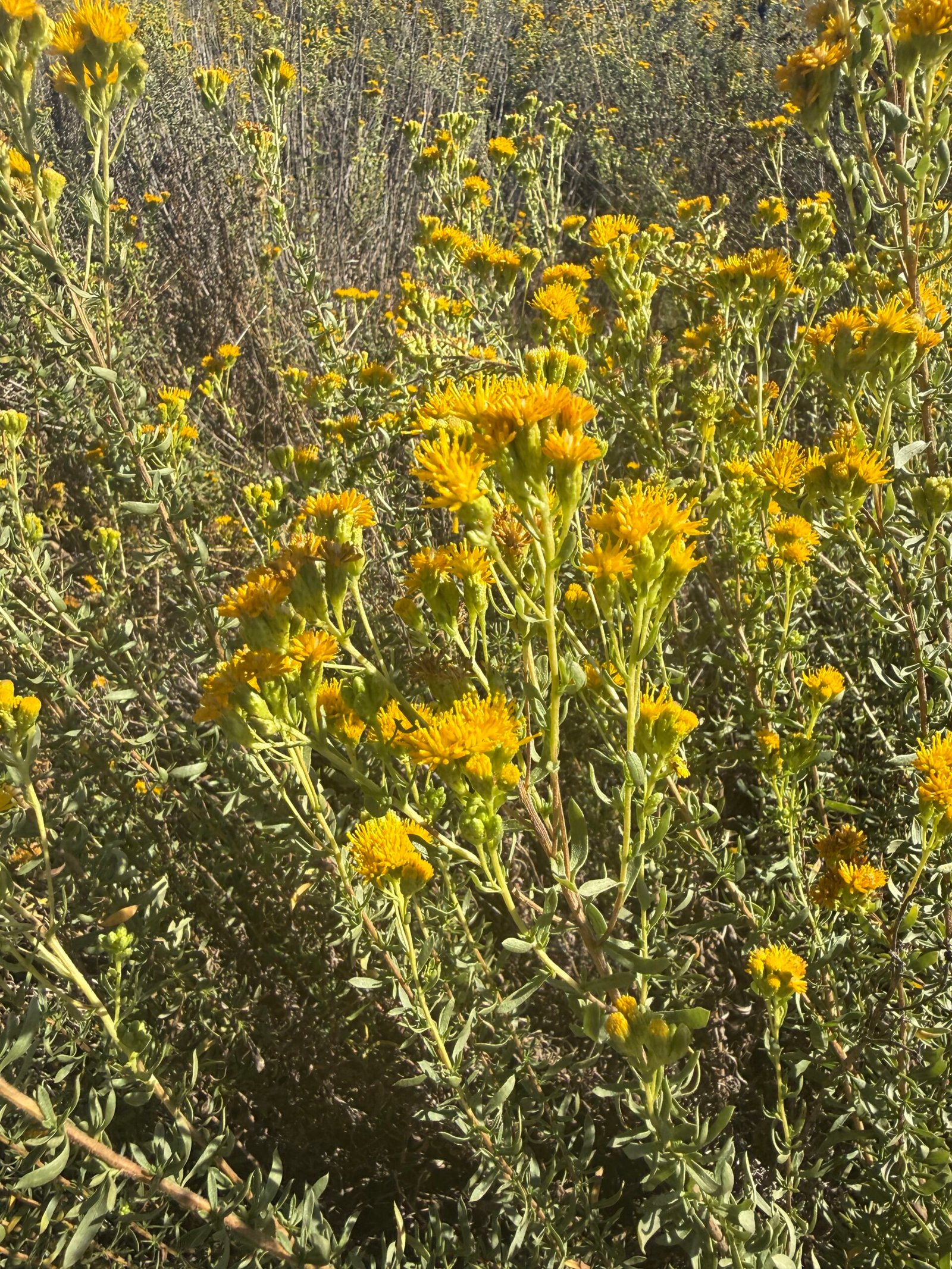
Tucked between Marina del Rey, Playa del Rey, and busy freeways lies one of Los Angeles’ remaining coastal wetlands, the Ballona Wetlands. When I volunteered there this month, I expected to do immediate work like removing invasive plants or planting new native ones and let nature take it from there. But I found that real restoration progress comes from taking good care of the native plants that live in a changing environment because of human impacts.
One of the days, our goal was to water native plants that had previously been planted. Because Ballona Wetlands had lost so much of its land from the past, the plants that remain need close support. By planting and caring for the native plants, the organizers are assisting the ecological system of the wetland, helping increase its biodiversity and resilience. It’s also important that these plants that are being planted are native to Southern California and specific to wetland environments, not just any greenery. Native plant species have specific roles that help the function of their ecosystem, such as helping filter out certain pollution from the air/ground or serving as a food source for a specific species.
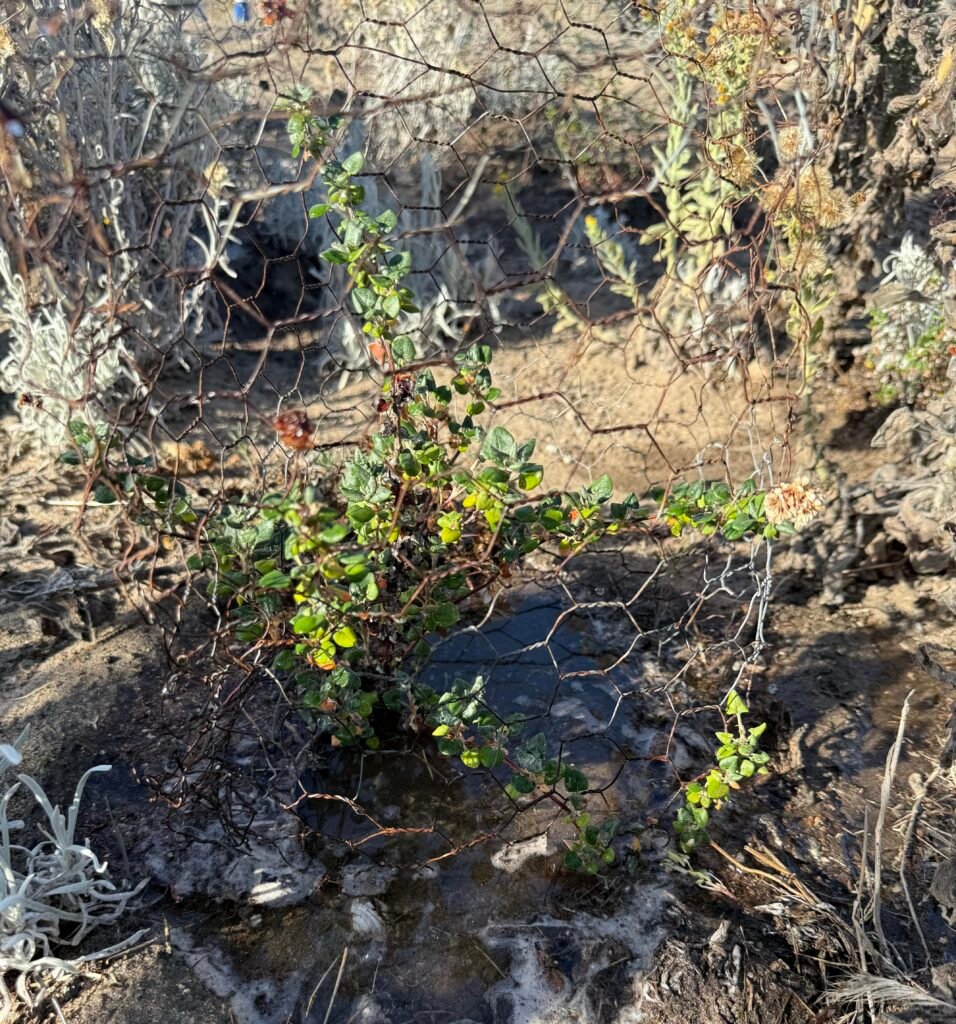
For example, the El Segundo Blue Butterfly, found only in the Los Angeles area, has a single host plant that its entire life revolves around. The extremely picky butterfly reproduces, feeds, and transitions from caterpillar to butterfly solely on the Seacliff Buckwheat. This means that without this plant, the butterflies would die out. Unfortunately, this scenario nearly happened when the Seacliff Buckwheat population declined due to the wetland’s loss of habitat from 2,000+ acres to only around 577 acres today because of urbanization as well as invasive species. This change nearly caused the extinction of the El Segundo Blue Butterfly. Only restoration efforts were able to bring the population back. This is why the importance of stable native plants populations and presence in an environment is crucial to the functioning of entire ecosystems.
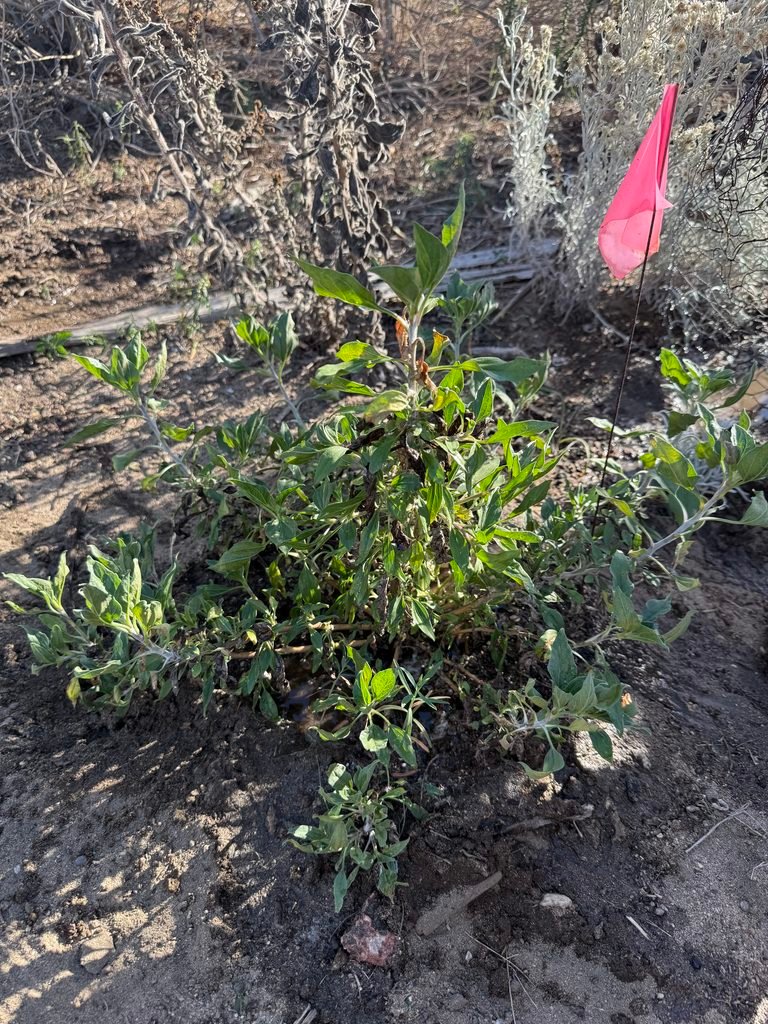
While watering the plants— in this case, sprouts of Seacliff Buckwheat as well as other native plants, like California Bush Sunflower, Lemonade Berry, and Black Sage— we were instructed to pour 2L of water per plant. Each plant was also surrounded by a ring of dirt that cupped the water so it wouldn’t flow out. We would pour the water till it filled to the rim and wait for the soil to absorb most of the water before pouring the rest of the 2L watering can. Tedious, but this process ensured each plant got enough water without any waste from flowing off. While working, our volunteer guide, Samantha, informed us that a common misconception is that native plants don’t need any care or support from us because they are “native” and should be able to survive on their own because they adapted to the environment. This surprised me. I had never thought that because humans have and are constantly changing the environment and conditions around native plants, that they might not be able to survive as well. Having support greatly increases their chances of survival and fitness.
Another volunteering experience similar to this was when we were assigned to cut the overextended branches of a group of Arroyo Willow trees that were blocking a dirt path for trucks that brought testing equipment. At first thought, it seemed questionable to me as to why we were actively cutting off such massive amounts of a native tree. The volunteer guide quickly informed us that trimming and pruning the tree’s branches would help it grow even more, so it was actually good for them. Additionally, if the overgrown branches were blocking the path for the trucks, they would have to drive closer to the side where there were California Buckwheat and other native plants, possibly crushing them. It would be safer to trim the branches so that the trucks could drive completely on the path instead of possibly trampling over the important bush plants.
These volunteering experiences greatly helped me better understand the importance and precision that goes into restoration acts, no matter how small. Because our world is changing and pollution/climate change continues to be a problem, we have to approach our protected ecosystems with care. Overall, simple acts like watering a few buckwheat sprouts or trimming a few branches near a road all add up to a greater chain of restoration that profoundly impacts the health of an ecosystem. Even if we can’t see immediate or big changes, these small efforts are keeping minor problems from adding up to serious damage to Ballona Wetlands.